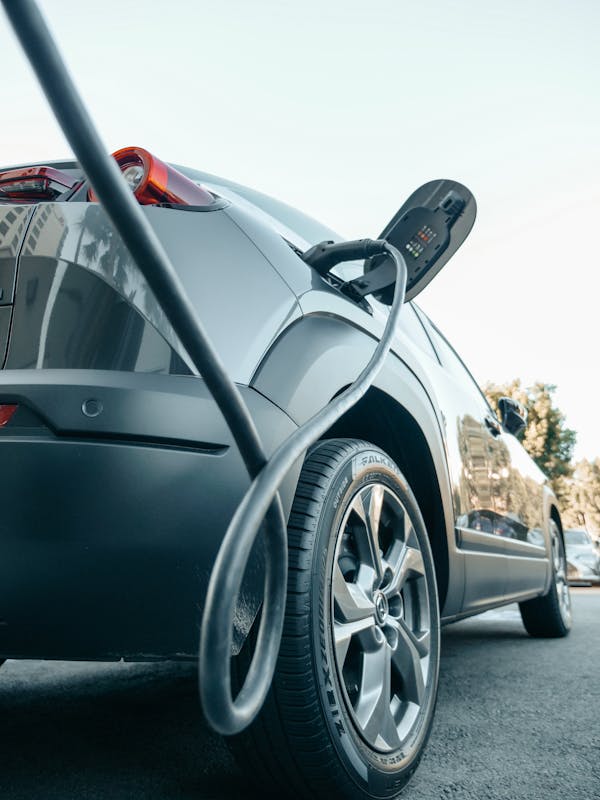
The Ethiopian Electric Utility (EEU) is developing an electric vehicle (EV) charging infrastructure network to support the national transition toward green mobility. Anwar Abrar, the Chief Communications Officer at the EEU, detailed a two phase strategic plan currently being implemented to increase charging accessibility throughout the country.
The initial phase involves the construction of 40 charging stations. Last week, the utility opened three stations in Addis Ababa. Plans for the coming months include the completion of 32 stations in the capital and eight in nearby cities, with three additional sites expected to begin operations shortly.
Data from the Ministry of Transport and Logistics indicates that over 140,000 electric vehicles are currently in use in Addis Ababa. The ministry estimates that 1,176 charging stations are necessary to satisfy current demand. The EEU intends for its involvement in the sector to provide a steady power supply and reduce service interruptions for drivers.
The first phase of the expansion is projected to cost approximately USD 10 million. Each station is designed to charge 24 vehicles simultaneously. According to Anwar Abrar, the utility aims to maintain affordable tariffs, with current rates set between 14 Ethiopian Birr (USD 0.09) and 18 Ethiopian Birr (USD 0.12) per kilowatt-hour. The stations use battery management systems to monitor the energy use, performance, and status of vehicle batteries.
In the second phase, the EEU plans to build similar facilities in regional urban centers, including Bishoftu, Mojo, Adama, Shashemene, and Hawassa. This expansion is intended to support the national goal of lowering fossil fuel use and utilizing the country's renewable energy resources, which include hydro, wind, solar, and geothermal power.
The move follows a 2024 government policy that prohibited the importation of fossil fuel-powered vehicles for personal use while lowering taxes on electric alternatives. Additionally, the Ethiopian Petroleum and Energy Authority recently issued a directive encouraging the use of alternative energy in response to global oil price fluctuations.
Anwar Abrar noted that the EEU has secured the land required for these stations. He stated that the utility's work was intended to establish a foundation for the infrastructure and to serve as a model for other state-run and private entities to participate in the sector.
Source: Xinhua