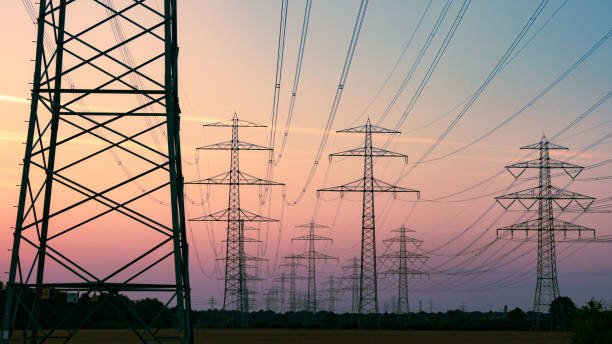
Ethiopian Electric Power (EEP) is accelerating 18 electricity infrastructure projects to improve grid reliability and prepare the capital for the COP32 climate summit, scheduled for November 2027.
The programme includes mobile substations, upgrades to existing transformers and transmission lines, and a planned battery energy storage system. It is intended to meet rising demand in Addis Ababa, including at Bole Lemi Industrial Park and the ICT Park, as well as selected locations elsewhere.
EEP communications director Moges Mekonnen said the investments would expand capacity while introducing technologies that allow more flexible grid operations. Procurement of two mobile substations is nearing completion, with supplier selection and design approvals being finalised.
The utility also plans to replace conductors on existing transmission lines with higher-capacity alternatives, increasing power flow without constructing new corridors. Substation upgrades are planned in and around Addis Ababa and in Wolaita Sodo.
The proposed battery system is expected to help balance supply and demand during peak periods, although EEP has not disclosed its capacity, location or specifications.
Funding is expected to come from the utility’s revenues and external sources. Separately, Parliament has approved a USD 145.8 million concessional loan from the World Bank’s International Development Association for a power sector modernisation project.
While Ethiopia relies largely on renewable electricity, particularly hydropower, seasonal rainfall fluctuations present challenges. The grid upgrades come amid wider government efforts to expand electricity access nationwide. Reported access rates stand at 94.7% in urban areas and 43.6% in rural communities, highlighting disparities.
Source: Capital Ethiopia Newspaper