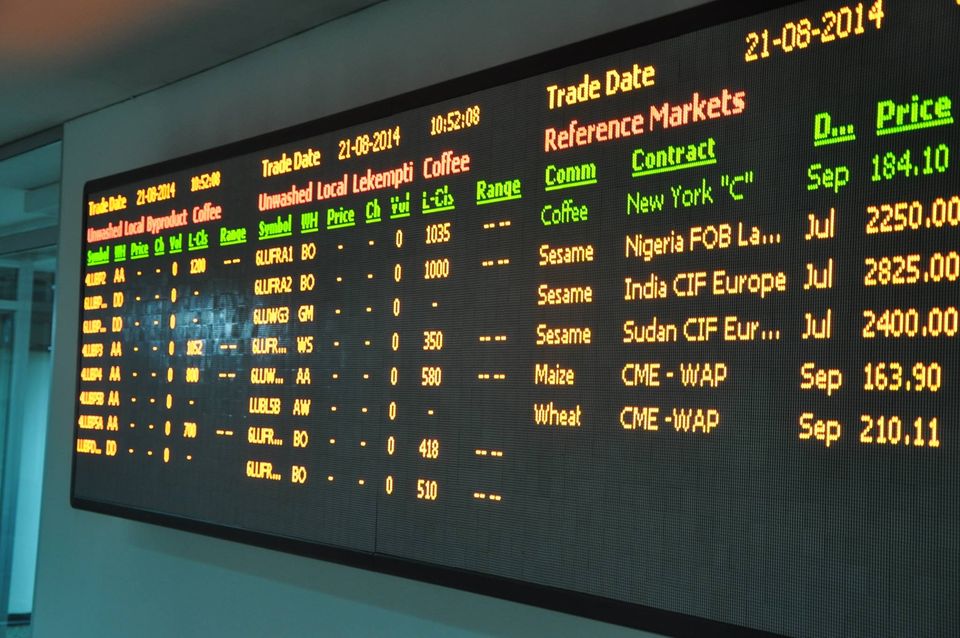
The Ministry of Trade and Regional Integration (MOTRI) has issued Directive No. 1115/2025, introducing a major shift in Ethiopia’s oilseeds and pulses export system by requiring all exporter payments to be routed exclusively through the Ethiopian Commodity Exchange (ECX).
The directive, which amends earlier rules under Directive No. 1026/2024, eliminates direct bank transfers between exporters and suppliers in an effort to strengthen transparency and protect foreign exchange earnings.
Oilseeds and pulses generated more than USD 610 million last fiscal year, accounting for 7.35% of Ethiopia’s USD 8.3 billion export revenue. Officials say the previous system enabled tax evasion, non-payment disputes, smuggling, and quality deterioration along lengthy supply chains. Under the new arrangement, exporters must deposit funds into ECX-controlled pay-in accounts, with payments to suppliers processed within one working day upon verified joint request.
According to Minister Kassahun Gofe, direct marketing, initially intended to reduce logistics costs, created structural gaps that weakened competitiveness and financially pressured suppliers. The ministry says the new framework will improve transaction records and pricing accuracy while safeguarding suppliers.
The ECX’s T+1 clearing and settlement system, supported by major banks, is expected to curb money laundering, enhance revenue tracking, and boost sector competitiveness as global demand for pulses and oilseeds rises sharply. The directive forms part of broader economic reforms aimed at strengthening Ethiopia’s agro-processing sector and export reliability.
Source: Capital Ethiopia Newspaper