Home Shipping

Shipping To and From Ethiopia

Ethiopia used to have a rich shipping tradition - ports of Adulis and Zeyila had been the sea ports that were used by Ethiopian and foreign merchants. Today, Shipping in Ethiopia is alive and thriving. Even though Ethiopia is a landlocked country, it uses Djibouti port (mainly) and Berbera port to ship its import and export cargo. An inland dry port has already been built at Modjo and is in the first phase of its operation; it's stationed at Modjo - 70 km East of Addis. More dry ports are expected to be built soon. Ethiopian Airlines (EAL) and Ethiopian Shipping and Logistics Services Enterprise (ESLSE) - a mega company formed by the merger of Ethiopian Shipping Lines, Ethiopian Dry Ports Enterprise and Maritime Transit Services Enterprise - enjoy a kind of monopoly or protection on goods imported to Ethiopia by air and on sea respectively.
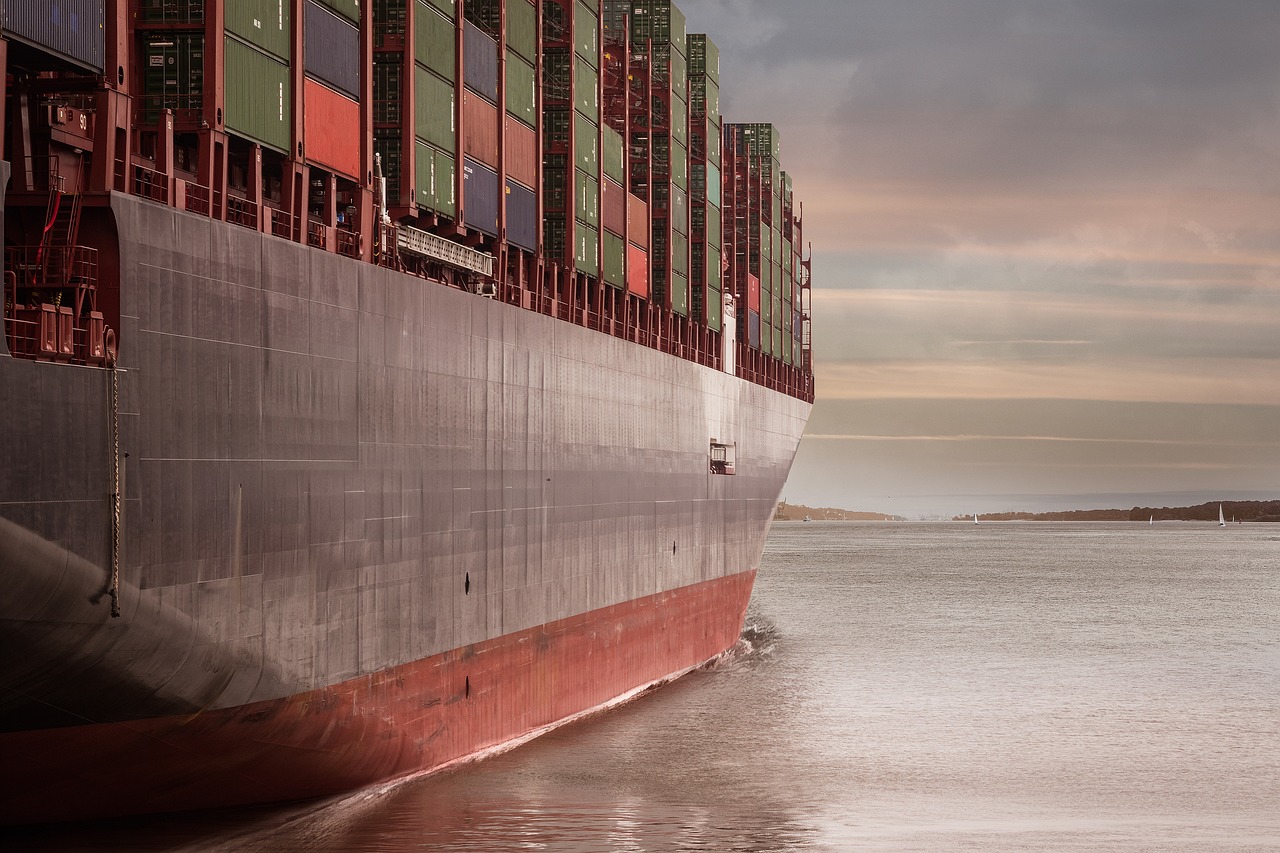
Ethiopian Shipping and Logistics Services Enterprise (ESLSE) is the country’s flag carrier and the majority of the cargo that’s imported to Ethiopia is carried by ESL. The various procedures followed by the shipping arm of ESLSE have been published. These procedures were used to be followed by the now defunct Ethiopian Shipping Lines SC; we will replace them as soon as the new company has announced a new set of procedures.

If you want to book your cargoes with ESL, you need to follow the procedures as outlined in Booking Procedure at Ethiopian Shipping Lines. (These procedures may have to be changed for reasons mentioned above.)

If you want to get a container release, want to know the container deposit amount and the refund procedure, you need to follow the procedures as outlined in Container Release and Container Deposit and Refund Procedure at Ethiopian Shipping Lines. (These procedures may have to be changed for reasons mentioned above.)

If you want to get your goods released by the carrier (ESL) or its agent, you need to follow the procedures as outlined in Goods Release Procedure at Ethiopian Shipping Lines. (These procedures may have to be changed for reasons mentioned above.)

The Shipping page also contains some explanation of The FOB Directive which requires that all import transports by see must be carried out by ESLSE (under its Bill of Lading) or EAL unless ESLSE/EAL doesn’t call that particular port of Loading for import.

You can also check the often difficult-to-cipher shipping terms and their meanings at the Shipping Terms Page.

The shipping documents page has the list and brief explanations of various documents used in the transportation of goods by sea with an emphasis on import/export trade.

On the Containerization Page, there is a list of different container sizes and a small explanation on what containers type to use for which kind of goods/shipment.

Even though the import cargoes are expected to be imported by ESLSE or EAL - provided they have a service from a particular port of Loading or country, no such restriction exist on export cargoes. You can find the address of transitors, forwarders, freighters, transitors, etc in our business directory.

Last Updated ( Sunday, 29 January 2012 09:55 )
ShareShare |
 
Related Articles from 2merkato.com :

» Textile Products Exports Earn Ethiopia $ 8.2 Mln

Ethiopia earned over 8.2 million dollars from the export of garments and textile products this year, the Textile Industry Development Institute...

» Ethiopian Shipping Announces 9% Discount on Ocean Freight

The Shipping and Logistics Enterprise of Ethiopia has made a minimum of 9% discount on ocean freight transport for the next month.The Enterprise did...

» Ethiopian Export Earnings Below Target

The export earnings of Ethiopia, for the month of October, were short of the targets set by the Ministry of Trade it was said. The Ministry of Trade...

» Ethiopia Earns $1.1 Billion in Export Revenue

Ethiopia earned an estimated 1.1 billion US dollars from the export of various items over the past five months announced the Ethiopian Ministry of...

» Ethiopia Earns $196 Million from Agricultural Exports

Ethiopia earned 196 Million US dollars from the export of agricultural products through the eastern part of the country in the first six months of...

Banner